

Vertigo is more than simply feeling dizzy. For an incredible number of Americans, it disturbs function, associations, and basic day-to-day tasks. Reports claim that dizziness and balance disorders influence about 15% of U.S. people every year, however many patients go months—sometimes years—with no precise diagnosis. Viewing a vertigo treatment can significantly limit that schedule and cause more effective, targeted treatment.
Who Is really a Vertigo Specialist ?
A vertigo specialist is just a clinician with advanced teaching in vestibular disorders— conditions that affect the inner ear and brain's capability to control balance. These experts frequently maintain experience in vestibular audiology, neurology, or otolaryngology, and use particular diagnostic methods that standard practitioners on average do not need access to.
Research shows that the typical dizziness individual consults five to six different doctors before getting a suitable diagnosis. A specialist been trained in vestibular treatment is equipped to spot the basis cause effectively, preventing the expensive pattern of inconclusive testing.
What Conditions Do Vertigo Specialists Treat?
Vertigo specialists detect and handle a wide range of vestibular conditions , including:
BPPV (Benign Paroxysmal Positional Vertigo) — the most common reason behind vertigo , affecting around 64 atlanta divorce attorneys 100,000 persons annually
Meniere's Illness — a chronic inner hearing problem connected to fluid difference
Vestibular Neuritis — irritation of the vestibular nerve, frequently carrying out a viral disease
Migraine-Associated Vertigo — dizziness periods connected to migraine activity
Dizziness and Imbalance — broader balance dysfunction with different main causes
How Does a Vertigo Specialist Create a Analysis?
The diagnostic method on average follows three stages:
Stage 1 — In-Depth Consultation: The specialist evaluations your symptom record in detail. Time, triggers, length, and severity all offer critical clues.
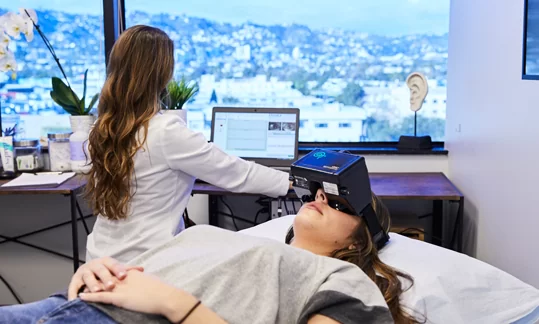
Stage 2 — Sophisticated Vestibular Screening: Specific assessments—such as for instance videonystagmography (VNG) or electronic dynamic posturography—calculate how well your internal head and head are communicating. These tests move properly beyond what a typical physical exam may reveal.
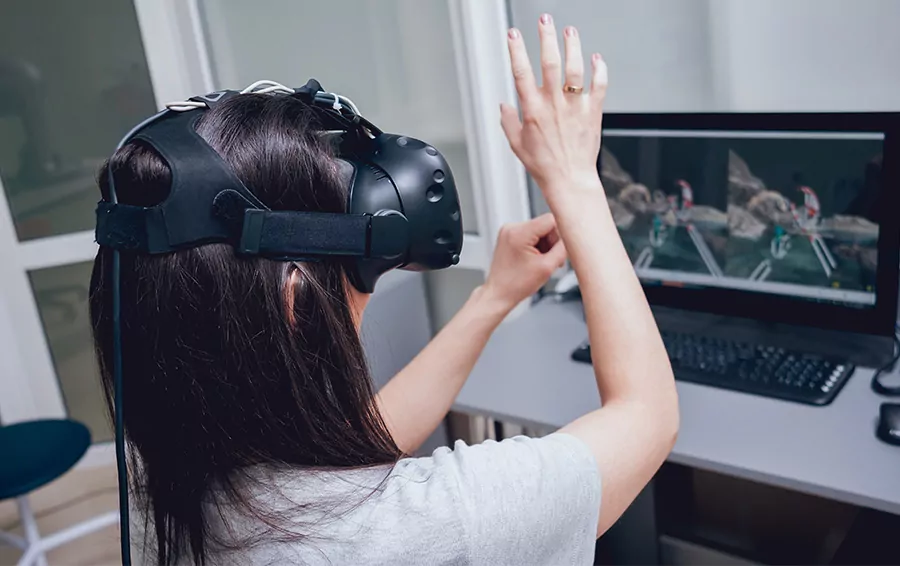
Step 3 — Personalized Treatment Preparing: On the basis of the conclusions, the specialist types a targeted treatment plan. This could contain canalith rethinking maneuvers for BPPV, vestibular rehabilitation treatment (VRT), nutritional modifications, or referrals to complementary medical providers.
What Effects May Individuals Expect?
Outcomes vary by issue and seriousness, but vestibular rehabilitation treatment has shown substantial accomplishment rates in scientific literature. Several individuals report meaningful symptom decrease within just a few sessions. For BPPV specifically, a properly executed rethinking control resolves symptoms in up to 80% of cases after anyone to three treatments.
Taking the Proper Stage Forward
Living with vertigo is not a thing you can simply accept. The proper specialist has the diagnostic tools, clinical knowledge, and treatment protocols to get at the foundation of one's signs and allow you to reclaim your quality of life. If dizziness has been reducing you down, booking an evaluation with a qualified vestibular specialist is probably the most strong course toward sustained relief.